
Disclosure: We may earn a commission when you buy through links on this page, at no extra cost to you. As an Amazon Associate we earn from qualifying purchases. We don’t accept payment for rankings.
Brushless vs brushed motors: is the extra money for a brushless cordless tool worth it? Almost every new tool we’ve covered carries a “brushless” badge, but the people who test tools for a living don’t all give the same answer. We read what Bob Vila, Consumer Reports, ToolGuyd and Pro Tool Reviews say about how the two motor types work and who should pay for brushless, then matched it to four brushless tools that independent experts have rated, with every score carried over from our earlier guides.
The short answer
| If you… | Our read of the experts |
|---|---|
| Use tools often or on big jobs | Buy brushless. Longer runtime, no brushes to replace and a longer life are what Bob Vila, Consumer Reports and Pro Tool Reviews all point to. |
| Use a tool a few times a year | A brushed tool can be the smarter buy. Bob Vila says a brushed drill can cost as little as half as much, and Consumer Reports says occasional users may not notice the difference in runtime or lifespan. |
| Are choosing a battery platform | Check which tools in the line-up you want are brushless. The four expert-rated tools in this guide all are. |
How we built this guide
This is an explainer, so there is no new ranking. We opened and read, in full, how Bob Vila, Consumer Reports, ToolGuyd and Pro Tool Reviews explain the difference between the two motors. Then we picked four brushless tools whose exact models have independent expert reviews, using the same Consensus Score method as the rest of the site. We don’t run our own lab tests: every result below is credited to the reviewer who measured it. To keep one source of truth for prices and stores, this guide doesn’t repeat the store buttons; the full reviews linked below carry them.
Expert Scorecard
What independent reviewers concluded about each exact model. A Consensus Score (0–100) appears only once at least three experts have reviewed a tool. How the Consensus Score works.
| Tool | What the experts said | Consensus Score |
|---|---|---|
| DeWalt Atomic DCD794 (brushless drill) | TechGearLab: 88/100, Editors’ Choice · Tools in Action: “a great option” · Consumer Reports: fast, moderately powerful · CNN Underscored: best drill of 2026 | 83 4 experts |
| Kobalt XTR KXID 1424A-03 (brushless impact driver) | TechGearLab: 87/100, Editors’ Choice · Consumer Reports: picked among the best compact impact drivers · Pro Tool Reviews: 9.3/10, fastest under load in its tests · Torque Test Channel: 1st in its dyno rankings | 91 4 experts |
| Milwaukee M18 Fuel 2953-20 (brushless impact driver) | TechGearLab: 85/100, Editors’ Choice · Pro Tool Reviews: best mix of performance, size and weight · DIY Gear Reviews: top torque, but disappointing battery runtime | 78 3 experts |
| DeWalt Atomic DCF850 (brushless impact driver) | TechGearLab: 83/100 · Pro Tool Reviews: seriously compact with plenty of power · DIY Gear Reviews: strong for its size, but short battery runtime · Torque Test Channel: “another home run from DeWalt” for tight spots | 78 4 experts |
Scores carried over unchanged from our drill and impact driver guides, last checked October 12, 2026. Know of an expert review we missed? Tell us.
Brushless vs brushed motors at a glance
| Brushed | Brushless | |
|---|---|---|
| How it spins | Carbon brushes rub a commutator to keep switching the current | An electronic controller switches the current instead, so nothing rubs |
| Price | Cheaper; simple parts | Costs more, because you’re building a small computer into the tool (Pro Tool Reviews) |
| Runtime | Friction wastes some battery energy | Bob Vila says a drill may run 30 to 50 percent longer; Consumer Reports says up to 50 percent longer |
| Upkeep | Brushes wear and need replacing | No brushes to replace |
| Size and weight | Bulkier | Can be smaller and lighter |
| Best for | Light, occasional use and tight budgets | Frequent or demanding use |
How the two motors work
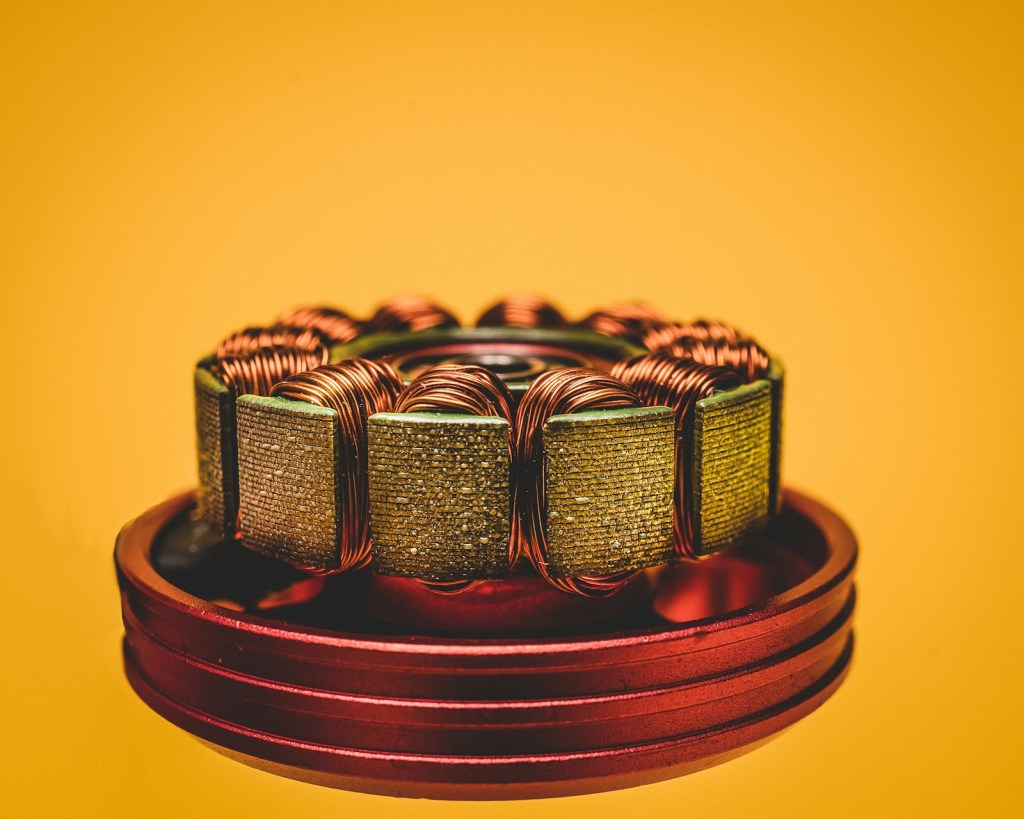
Both motor types spin by using magnets. In a brushed motor, Pro Tool Reviews explains, the permanent magnets stay fixed while a coil on the spinning rotor becomes an electromagnet, and small carbon brushes touch the commutator to reverse its polarity at just the right moment. Bob Vila describes the same arrangement. In a brushless motor, ToolGuyd notes, the layout flips: the permanent magnets sit on the rotor, the coils are fixed around it, and an electronic control switches the current through the coils at precise timings. No brushes, no commutator, no rubbing.
What brushless gets you
Longer runtime and less heat
Friction between brushes and commutator wastes energy and builds heat, which Pro Tool Reviews compares to riding a bike with the brake lightly applied. Brushless motors avoid that, so more of the battery’s energy becomes work. Bob Vila’s Bob Beacham puts a figure on it: a brushless drill may run 30 to 50 percent longer than a comparable brushed one. Consumer Reports says up to 50 percent longer, and quotes Makita saying a brushless motor runs up to 50 percent cooler. Those figures are one writer’s estimate and a manufacturer’s claim, not a lab result we can vouch for, so treat them as a direction rather than a promise.
Nothing to wear out
Consumer Reports says brushed drills need new brushes every 50 to 60 hours of use, and that replacement brushes typically cost about $5 each. Bob Vila adds that worn brushes show up as stuttering or erratic starting and stopping, that a worn commutator can make repair not worth it on a budget tool, and that worn brushes can spark. Pro Tool Reviews says brushless tools usually carry the same warranty as brushed ones from the same brand, but you can expect them to last years beyond it.
Smaller, lighter, smarter
Consumer Reports cites a compact DeWalt brushless drill about a pound lighter and over an inch shorter than the brushed version, and Pro Tool Reviews says the more compact rotor and stator is why so many brushless impact drivers are so small. Pro Tool Reviews also credits the electronics: a brushless tool can sense it is slowing down and draw more current from the battery, which is behind systems such as Milwaukee RedLink Plus, Makita LXT Advantage and DeWalt Perform and Protect, and it is why connected features like Milwaukee’s One-Key exist.
Does brushless always mean more power?
Not automatically. Pro Tool Reviews calls the link between brushless and torque a misconception: the motor design alone doesn’t set the torque, and it notes that the first Milwaukee M18 Fuel hammer drill had less real-world torque than the brushed model it replaced. The gain came later, once the electronics learned to feed the motor more current under load. Consumer Reports’ John Banta puts the performance gain at 15 to 35 percent over brushed models, and ToolGuyd points out that brands choose how to balance power against runtime, so one brushless tool may favour longer battery life and another more punch. That is why the scorecard above matters more than the badge: the reviewers tested the actual tools.
The four brushless tools experts rate
All four are brushless and all four are covered, with where to buy, in our full guides:
- Kobalt XTR KXID 1424A-03 (impact driver, Consensus Score 91): the top score of the four, sold only at Lowe’s. See Best Cordless Impact Drivers of 2026.
- DeWalt Atomic DCD794 (drill, 83): TechGearLab’s best drill score. See Best Cordless Drills of 2026.
- Milwaukee M18 Fuel 2953-20 (impact driver, 78): fastest of its head-to-head with DeWalt’s flagship per Pro Tool Reviews, but average runtime on a small battery. See the impact driver guide.
- DeWalt Atomic DCF850 (impact driver, 78): the compact one for tight spaces. See the impact driver guide.
Brushless vs brushed buying guide
When brushed still makes sense
Bob Vila says a brushed drill may offer very similar features and comparable performance for as little as half the price, and that for a DIYer who rarely wears out brushes, the extra noise may not matter. Consumer Reports found the price gap can be large (a Makita 12V brushed drill-driver at $68 against $122 for the brushless version in its 2020 article) but says the gap is narrowing as brushless models replace brushed ones. Those prices are years old, so check today’s. Our best cordless drills under $100 guide shows what a tight budget buys.
When to spend more
Consumer Reports says brushless drills make the most sense for people doing frequent or serious projects, and Bob Vila calls brushless the better long-term investment for professionals. Even if you don’t use a tool hard, Consumer Reports’ Banta notes that infrequent homeowners won’t notice the longer life or runtime but will notice the lighter, smaller size.
Check the platform before the motor
Batteries are the lock-in. If you already own DeWalt, Milwaukee or Kobalt batteries, a tool-only brushless model on that platform usually beats a cheaper brushed tool on another. Our DeWalt vs Milwaukee guide covers that choice, and our combo kit guide shows the bundles.
Don’t read too much into the label
ToolGuyd cautions that the comparison isn’t black and white, and Pro Tool Reviews shows brushless doesn’t guarantee more torque. Read the tested results for the exact model, as in our scorecard, rather than shopping by the word “brushless” alone. Our Top Rated Tools page ranks every model we’ve scored.
Frequently asked questions
Is a brushless drill worth the extra money?
For frequent or heavy use, the experts say yes: longer runtime, no brushes to replace and a longer life. For occasional jobs around the house, a brushed drill can do the same work for less, according to Bob Vila and Consumer Reports.
Do brushless tools last longer?
Pro Tool Reviews expects a longer life from brushless models, often years beyond the warranty, mainly because there are no brushes or commutator to wear out. None of the sources we read gives a measured lifespan in years, so treat it as the experts’ expectation.
Are brushless tools quieter?
Somewhat. Bob Vila says less friction and vibration make brushless tools quieter, with a small difference on drills, drivers, jigsaws and sanders and a clearer one on circular saws and planers. Impact drivers are still loud because of the hammering action, as we explain in our impact driver vs drill guide.
Can I replace brushes in a brushed tool?
Often, but it isn’t always easy. Bob Vila says replacing brushes isn’t technically difficult but manufacturers often make the motor hard to reach, and Consumer Reports puts replacement brushes at about $5 each. Check your tool’s manual and the maker’s instructions before opening it.
The bottom line
If you use cordless tools regularly, pay for brushless: the tested examples above, from the Kobalt XTR (91) to the DeWalt Atomic DCD794 (83), show where the money goes. If you reach for a drill a handful of times a year, a brushed tool is a fair way to save, as long as you accept some extra noise and a shorter life.
Keep reading: compare the tools in Best Cordless Drills of 2026 and Best Cordless Hammer Drills of 2026, or see what a brushless motor does for a sander in our random orbital sander guide.
Brushless in a shop vac? Battery-powered wet/dry vacs are covered in our best shop vacs of 2026.
Sources: Bob Vila (Bob Beacham, brushless vs brushed motor, updated February 2022), Consumer Reports (Should You Get a Brushless Drill?, 2020), Pro Tool Reviews (Brushed vs Brushless Motors, March 2021), ToolGuyd (Brushless Motors 101, 2014), and the tool reviews credited in the scorecard above. Articles are several years old; costs and tool choices have moved on, so check current prices at the retailer.
Header photo: Mika Baumeister on Unsplash.


Leave a Reply